When your AC not working becomes your reality in the middle of a hot day, it’s more than just uncomfortable it can disrupt your entire home routine. Rising indoor temperatures, restless nights, and higher energy bills quickly turn a small cooling issue into a stressful situation.
Before you panic or schedule an emergency HVAC visit, there’s good news: many air conditioning unit issues can be diagnosed and sometimes fixed with proper troubleshooting. This comprehensive guide will walk you through problem shooting air conditioners, understanding common failures, and knowing exactly when to call a professional.
Whether you’re dealing with central air conditioner problems, airflow issues, or complete shutdown, this guide covers everything you need to know.
Most Common Reasons Why Your AC Is Not Working
Understanding the root cause is the first step in solving the problem. Many homeowners assume the worst compressor failure or system replacement when the issue is often something simple.
Let’s explore the most frequent reasons for AC failure.
Thermostat Problems
One of the most overlooked reasons for ac not working is a malfunctioning thermostat.
Common thermostat issues include:
- Incorrect temperature settings
- Dead or weak batteries
- Loose wiring connections
- Improper mode selection (fan instead of cool)
If the thermostat isn’t communicating properly with the system, your air conditioner may not turn on at all. Always verify settings before moving deeper into troubleshooting.
Power Supply Issues
If your system won’t start, power interruption could be the culprit.
Check for:
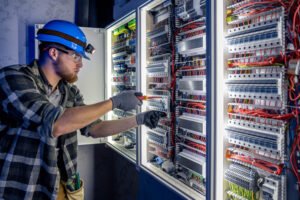
- Tripped circuit breakers
- Blown fuses
- Disconnected outdoor shut-off switch
- Loose electrical wiring
Electrical problems are among the most common air conditioner issues and can completely stop operation.
Refrigerant Leaks
Low refrigerant is a major cause of air conditioning common problems.
Signs include:
- AC blowing warm air
- Ice forming on refrigerant lines
- Hissing or bubbling sounds
- Longer cooling cycles
Refrigerant does not get “used up.” If levels are low, there is likely a leak requiring professional repair.
Clogged Drain Line
Your AC removes humidity along with heat. That moisture drains through a condensate line. When clogged, the safety switch may shut the system down.
Symptoms include:
- Water pooling near indoor unit
- Musty odor
- System shutting off unexpectedly
Drain line clogs are a frequent contributor to air conditioning unit issues.
Problem Shooting Air Conditioners at Home (Step-by-Step)
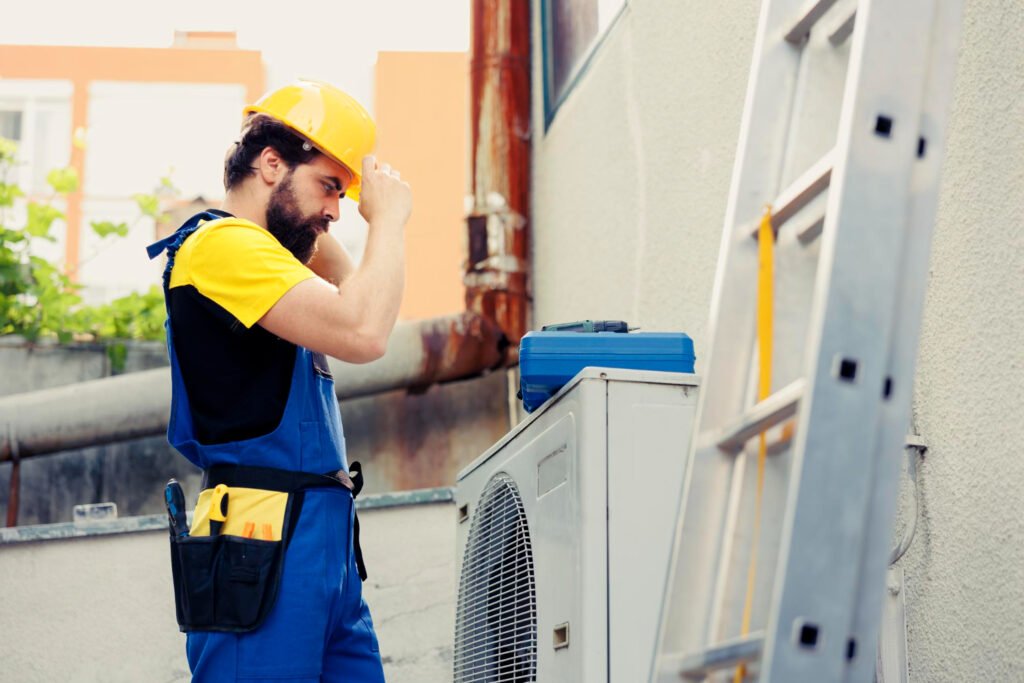
Before calling a technician, try this structured ac unit troubleshooting process.
DIY AC Troubleshooting Checklist
- Check thermostat settings and batteries
- Replace dirty air filters
- Reset the circuit breaker
- Inspect the outdoor condenser for debris
- Look for ice buildup on indoor coils
This simple process solves many cases of ac not working without professional help.
Troubleshooting AC System: Indoor & Outdoor Unit Breakdown
A complete troubleshooting ac system approach requires examining both the indoor and outdoor components.
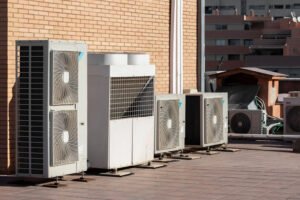
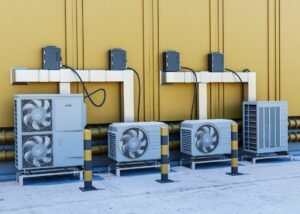
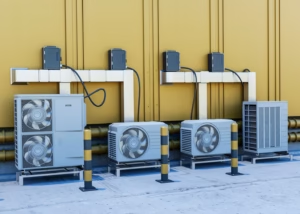
Cleaning Outdoor Air Conditioner
A dirty condenser is one of the most common and preventable causes of cooling failure.
Over time, dirt, leaves, grass clippings, and debris block airflow and reduce efficiency.
Steps for cleaning outdoor air conditioner:
- Turn off power at the breaker.
- Remove visible debris around the unit.
- Gently rinse condenser coils with a garden hose.
- Ensure at least two feet of clearance around the unit.
Proper maintenance improves airflow and prevents major air conditioning unit issues.
Fix Air Handler Problems
The air handler circulates cool air throughout your home. If it’s malfunctioning, airflow suffers.
Common air handler problems:
- Blower motor failure
- Dirty evaporator coil
- Faulty capacitor
- Weak airflow from vents
If no air is coming from vents, you may need to fix air handler components like the motor or capacitor.
Air handler failures are often mistaken for complete system breakdowns.
Central Air Conditioner Problems & How to Diagnose Them
If you have installed a central Heating and air conditioning, central air problems troubleshooting becomes more complex due to ductwork and system design.
Central AC Not Cooling Properly
If your system runs but fails to cool effectively, possible causes include:
- Leaky ductwork
- Low refrigerant
- Dirty evaporator coil
- Failing compressor
These are among the most common central air conditioner problems homeowners experience.
Troubleshooting Central AC Unit
When diagnosing central systems, consider:
- Zoning system imbalance
- Damaged duct seals
- Thermostat sensor malfunction
- Airflow restrictions
Troubleshooting central ac unit issues often requires a systematic inspection of airflow and pressure levels.
Common AC Unit Problems and Solutions
Understanding typical failures helps speed up diagnosis.
Most Frequent Issues and Fixes
- AC blowing warm air → Check refrigerant or thermostat
- AC short cycling → Clean coils or inspect capacitor
- Loud noises → Tighten loose parts or check motor bearings
- Water leakage → Clear clogged drain line
These represent the most common common ac unit problems homeowners encounter.
Detailed AC Component Failure Guide
To fully understand air conditioning unit issues, you need familiarity with core components.
Compressor Failure
The compressor is the heart of your cooling system. If it fails, cooling stops.
Warning signs:
- Clicking sounds
- System humming but not starting
- Breaker repeatedly tripping
Compressor repair often requires professional service.
Capacitor Problems
Capacitors help start motors. If defective:
- AC struggles to start
- Outdoor unit hums but doesn’t run
- Fan doesn’t spin
Capacitor failure is common in ac unit troubleshooting cases.
Frozen Evaporator Coil
Restricted airflow or refrigerant issues can cause freezing.
Symptoms include:
- Ice buildup
- Reduced cooling
- Water leakage after thawing
Frozen coils are a frequent cause when homeowners say their ac not working properly.
How to Troubleshoot AC System Like a Professional
A structured approach makes diagnosis efficient.
Step 1: Confirm Thermostat Operation
Step 2: Verify Electrical Power
Step 3: Inspect Airflow
Step 4: Check Refrigerant Lines
Step 5: Evaluate Mechanical Components
This layered approach ensures thorough problem shooting air conditioners without guesswork.
Advanced Troubleshooting for Persistent Problems
If your system repeatedly shuts down, investigate:
- Short cycling due to oversized unit
- Dirty condenser coils
- Faulty pressure switches
- Low voltage supply
Persistent issues often signal deeper mechanical faults.
Preventative Maintenance to Avoid AC Breakdown
Routine care prevents major air conditioner issues.
Key Maintenance Practices
- Replace air filters every 1–3 months
- Schedule annual HVAC inspection
- Keep outdoor unit clean
- Seal duct leaks
- Monitor thermostat performance
Proactive care reduces emergency repairs and extends lifespan.
When to Call a Professional HVAC Technician
DIY troubleshooting works for minor issues, but certain situations require expert intervention.
Call a technician if:
- Refrigerant recharge is needed
- Compressor fails
- Electrical wiring is damaged
- System repeatedly trips breaker
Complex troubleshooting ac system tasks require licensed professionals for safety.
Signs Your AC Needs Replacement
If your system:
- Is over 12–15 years old
- Requires frequent repairs
- Uses outdated refrigerant
- Causes rising energy bills
Replacement may be more cost-effective than continuous repair.
Frequently Asked Questions
Why is my AC running but not cooling?
Possible causes include low refrigerant, dirty coils, or thermostat miscalibration.
How do I reset my AC unit?
Turn off power at breaker for 5 minutes, then restore power and restart system.
What causes central AC problems most often?
Dirty filters, refrigerant leaks, and airflow restrictions are the top causes of central ac problems.
Can I fix air handler myself?
You can clean filters and inspect airflow, but motor or electrical repairs should be handled by professionals.
Final Thoughts
When your ac not working, it doesn’t always mean expensive repairs. Many common ac problems and solutions are simple and manageable with structured troubleshooting.
From thermostat settings to cleaning outdoor air conditioner coils, proper maintenance prevents major breakdowns. Understanding air conditioning unit issues empowers homeowners to respond confidently instead of reactively.
If DIY steps don’t resolve the issue, professional HVAC support ensures safe and effective repair.
Regular maintenance, timely troubleshooting, and proactive care are the keys to keeping your cooling system efficient, reliable, and long-lasting.
Stay cool, stay prepared and never let unexpected AC failure disrupt your comfort again.