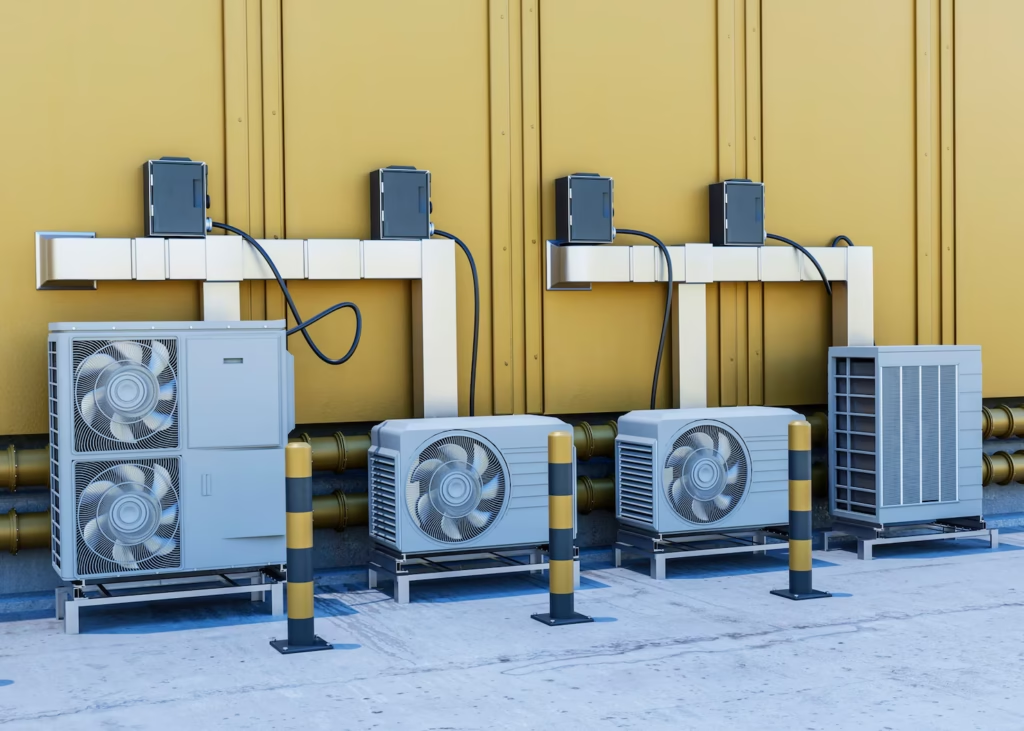
Buying a new HVAC system is one of the most important investments for your home. With modern HVAC technology constantly evolving, homeowners are often faced with numerous choices—from traditional central heat and air systems to ductless mini splits and split HVAC systems. Understanding how to buy a new HVAC system ensures that you make the right decision for comfort, efficiency, and long-term savings.
Many people overlook the complexity of HVAC purchases. Improper sizing, choosing the wrong system type, or skipping professional installation can lead to inefficiency, high energy bills, and frequent breakdowns. This guide will walk you through everything from choosing a system, installation considerations, and long-term maintenance to ensure your home remains comfortable year-round.
Buying a New HVAC System: What Homeowners Need to Know First
When it comes to buying a new HVAC system, preparation is key. Before making any purchase, homeowners should evaluate their current system, budget, and home requirements. HVAC systems are not one-size-fits-all, and choosing the wrong type can lead to frustration and high costs.
Key factors to consider include:
- Understanding replacement vs repair decisions
- Evaluating energy efficiency ratings
- Considering long-term maintenance costs
- Planning for installation timelines
Before selecting a system, it’s important to recognize the signs that indicate you need a replacement: frequent breakdowns, rising energy bills, uneven heating or cooling, and outdated technology. By addressing these factors upfront, you can avoid costly mistakes and ensure your investment provides comfort and efficiency for years to come.
What to Consider When Buying a New HVAC System
Choosing the right HVAC system requires careful consideration of your home’s size, climate, and personal comfort preferences. This section highlights essential factors that influence system selection.
Critical considerations include:
- Home square footage and insulation quality
- Local climate and seasonal demands
- Energy efficiency and long-term operating costs
- Warranty coverage and brand reliability
Proper sizing is essential for efficiency. An oversized system can cycle frequently, wasting energy, while an undersized system may struggle to maintain desired temperatures. Additionally, modern HVAC systems are rated with SEER (Seasonal Energy Efficiency Ratio) and HSPF (Heating Seasonal Performance Factor), which should be reviewed to ensure optimal performance.
HVAC Buying Guide for Different System Types
Understanding different HVAC system types helps homeowners make informed decisions. The most common types include:
- Central Heat and Air System: Ideal for whole-house coverage with consistent airflow.
- Split HVAC System: Features separate indoor and outdoor units for flexible installation.
- Ductless Air Conditioning System: Perfect for retrofits or rooms without existing ductwork.
Each system type has its pros and cons. For example, ductless systems allow for zoned temperature control but may have higher upfront costs, whereas central systems require ductwork but can efficiently heat and cool the entire home.
Split HVAC System vs Central Heat and Air System
Choosing between a split HVAC system and a central heat and air system depends on home layout, efficiency needs, and budget.
Split HVAC System:
- Provides separate indoor and outdoor units
- Can offer improved energy efficiency with zone control
- Requires professional installation
Central Heat and Air System:
- Uses ductwork to distribute conditioned air throughout the home
- Offers consistent airflow in all rooms
- Often more cost-effective for larger homes
Other considerations:
- System components and layout
- Energy efficiency differences
- Installation requirements
- Maintenance and operating costs
Both systems have their advantages, and the decision often comes down to your home’s architecture and specific comfort needs.
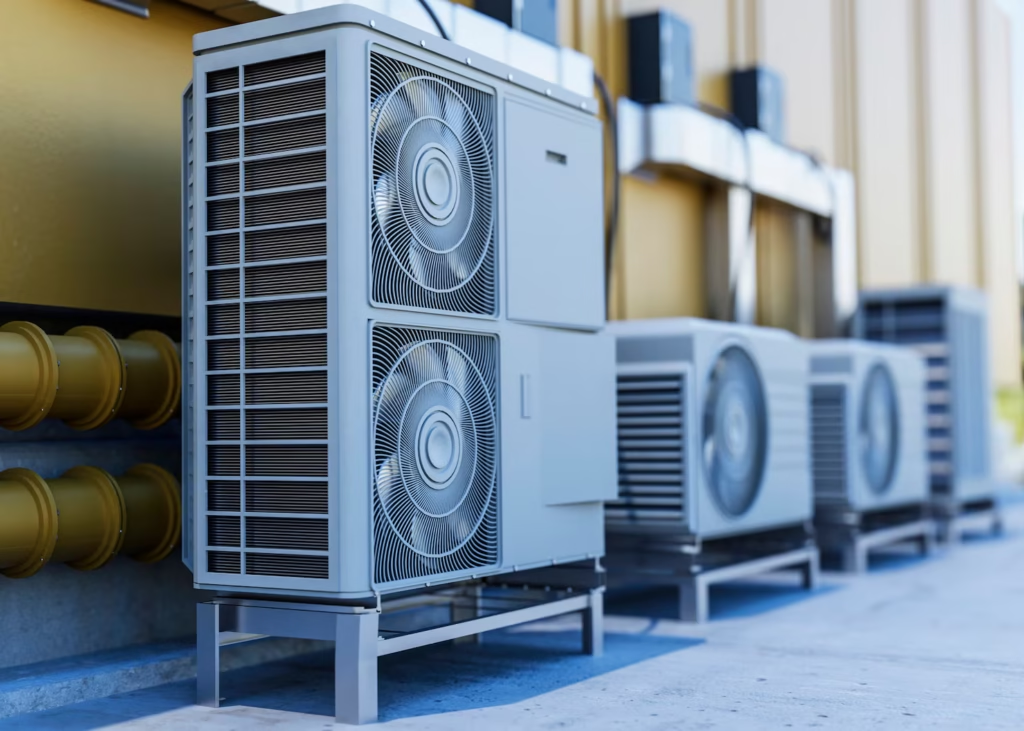
Ductless Air Conditioning System Installation Explained
Ductless air conditioning systems, also called mini splits, are gaining popularity for their flexibility and efficiency. These systems are ideal for homes without existing ductwork, room additions, or areas requiring individualized temperature control.
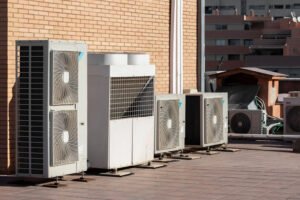
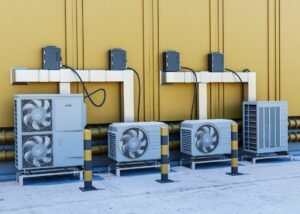
Ductless systems consist of an indoor unit mounted on the wall or ceiling and an outdoor condenser. They operate quietly, provide zoned cooling and heating, and are highly energy-efficient, making them a strong choice for energy-conscious homeowners.
How Does Ductless HVAC Work?
A ductless HVAC system works by transferring heat between the indoor and outdoor units using refrigerant lines. The indoor unit circulates air in a specific room or zone, while the outdoor unit expels or absorbs heat depending on the season.
The system’s design allows for precise temperature control in individual rooms without affecting other areas. This zoning capability improves comfort and reduces energy waste, making ductless systems especially suitable for multi-level homes or apartments.
Do Mini Splits Heat and Cool?
Yes, mini splits can both heat and cool your home efficiently. Many mini splits utilize heat pump technology, allowing them to reverse the refrigerant flow to provide warmth during the winter and cooling in the summer.
Heat pumps are particularly effective in moderate climates but can still provide supplemental heating in colder regions when paired with other heating methods. Homeowners benefit from reduced energy bills and increased comfort by using mini splits for specific zones rather than conditioning the entire house.
How to Install Ductless HVAC
While installation may seem straightforward, ductless HVAC systems require careful planning and professional expertise. Proper installation ensures safety, efficiency, and compliance with manufacturer guidelines and building codes.
Key steps for ductless HVAC installation include:
- Proper placement of indoor and outdoor units for optimal airflow
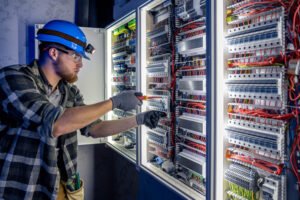
- Running refrigerant lines and electrical connections
- Securing the system to walls and ensuring proper drainage for condensate
Professional installation is recommended to maximize system performance and avoid common pitfalls.
HVAC Installation Checklist for Homeowners
A well-prepared installation process ensures your HVAC system performs reliably. Homeowners should follow a checklist to confirm that all components are correctly installed and fully operational.
Important items to verify:
- Confirm system sizing and model
- Check ductwork or mounting locations
- Verify electrical and drainage setup
- Review thermostat configuration
Following a structured checklist reduces errors and ensures that the system delivers consistent performance immediately after installation.
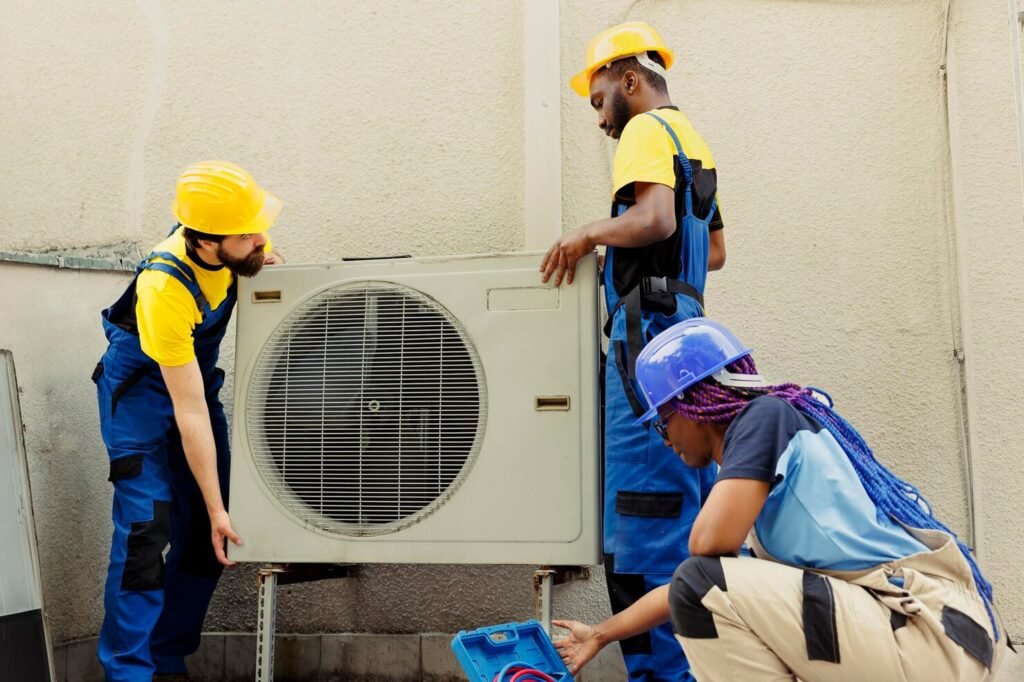
HVAC Install Checklist Before and After Installation
Before installation:
- Review system specifications and site preparation
- Ensure proper placement of indoor and outdoor units
After installation:
- Confirm all electrical connections are secure
- Check refrigerant lines and airflow
- Verify that the thermostat is functioning properly
This process minimizes potential problems and guarantees that your system meets manufacturer requirements and local building codes.
HVAC Checklist for Long-Term Performance and Maintenance
Maintaining your HVAC system is as important as proper installation. Regular maintenance extends the life of your system, maintains efficiency, and prevents costly repairs.
Routine maintenance checklist:
- Regular filter replacement
- Seasonal system inspections
- Thermostat calibration
- Airflow and efficiency checks
Consistent maintenance ensures that split HVAC systems, ductless units, and central heat and air systems continue to perform optimally and provide consistent comfort throughout your home.
Choosing an HVAC System That Fits Your Home
Choosing the right HVAC system requires a holistic approach. Consider your home’s layout, insulation, climate, and your household’s daily routine. Budget and energy efficiency should also guide your decision.
Professional consultation can help match your home with the ideal system type, whether it’s:
- A ductless mini split for individual rooms or apartments
- A central heat and air system for whole-house comfort
- A split HVAC system for flexible zoning and room-by-room control
Making the right choice ensures efficiency, comfort, and long-term satisfaction.
Conclusion
Buying a new HVAC system is a significant decision, but with the right knowledge, planning, and guidance, you can ensure a system that provides comfort, efficiency, and reliability for years.
From understanding how to buy a new HVAC system to exploring ductless air conditioning system installation, split HVAC systems, and long-term maintenance, this guide covers all critical aspects. By using checklists, consulting professionals, and evaluating system types carefully, homeowners can make informed decisions that protect both comfort and investment.
Investing in a properly chosen and installed HVAC system is not just about immediate comfort—it is about creating a home environment that is safe, efficient, and sustainable for years to come.