Afraid of Why Does My Circuit Breaker Keep Tripping? Weather you’re drying your hair, watching the climax of a movie, or staying for the microwave oven to finish, when suddenly everything goes dark. The hum of your appliances cuts out, leaving you in silence. You check the rest of the house and realize it’s just one room. A trip to the garage or basement confirms it a circuit swell has flipped.
While annoying, that distinct “click” coming from your electrical panel is actually a sign that your home’s safety systems are working exactly as intended. Your circuit swell is a protective medium designed to cut the inflow of electricity before a swell can heat cables, melt sequestration, or start an electrical fire.
Still, if this happens constantly, it stops being a minor vexation and starts getting a major warning sign. This companion covers why your circuit swell keeps tripping, how to identify the specific malefactor, and the way to safely reset your system. We’ll also look at technical outfit, similar as the shunt trip circuit swell, to help you understand the full compass of your home’s electrical safety.
Is It Dangerous If My Circuit Breaker Keeps Tripping?
A single tripped swell is not inescapably a cause for fear. Occasionally, a temporary swell like a lightbulb blowing out can spark the safety switch. Still, if the same swell passages constantly, your electrical system is trying to tell you there’s an undetermined issue that demands attention.
Ignoring these warning signs can be dangerous. The heat generated by overloaded cables or short circuits can permanently damage your appliances and sensitive electronics. In worst case scripts, the heat buildup behind your walls can enkindle sequestration or architecture, leading to ruinous house fires.
You should communicate a professional incontinently if you notice:
- Burning smells
A scent of burning plastic or ozone near the panel or outlets. - Scorch marks
Abrasion around the swell switch or outlets. - Heat
A swell that feels hot to the touch (not just warm). - Buzzing
Audible sizzling or buzzing noises coming from the panel.
4 Common Reasons Why Circuit Breakers Trip
Understanding the root cause is the first step toward a result. Utmost passages fall into one of four orders.
1. Circuit Load
This is the most common reason homeowners find themselves gaping at their electrical panel. A circuit load occurs when you essay to draw further electricity than the circuit is rated to handle.
Utmost standard ménage circuits are rated for 15 or 20 amps. However, the demand exceeds the force, If you plug in a space heater (which draws a lot of power) on the same circuit as your gaming PC and a vacuum cleanser. The internal medium in the swell heats up and passages to help the cables from frying.
2. Short Circuits
A short circuit is more serious than an load. It generally happens when a “hot” line (the one carrying the current) comes into contact with a “neutral” line. This contact creates a path of least resistance, causing the electrical current to launch nearly incontinently.
Because the swell is so unforeseen and violent, the swell passages incontinently to help damage. Signs of a short circuit include a blackened outlet, a smell of burning, or a loud popping sound when the swell flips.
3. Ground Faults
A ground fault is a specific type of short circuit. It occurs when a hot line touches a ground line or the essence predicated element of the junction box. Basically, the electricity escapes its intended circle and heads toward the ground.
This is particularly dangerous if the path to the ground goes through a person or water. This is why structure canons bear Ground Fault Circuit Interrupters (GFCIs) in wet areas like kitchens, bathrooms, and out-of-door spaces. These sensitive outlets are designed to cut power briskly than a standard swell can.
4. A Faulty or Old Circuit Breaker
Occasionally, the problem is not your wiring or your appliances it’s the switch itself. Like any mechanical device, circuit combers wear out. Times of hotting up and cooling down can weaken the internal factors.
A defective swell might trip indeed when the electrical cargo is well within safe limits. However, and the swell feels loose or jiggles in its niche, the tackle itself probably needs relief, If you have ruled out overloads and films.
How to Find What Is Tripping Your Breaker
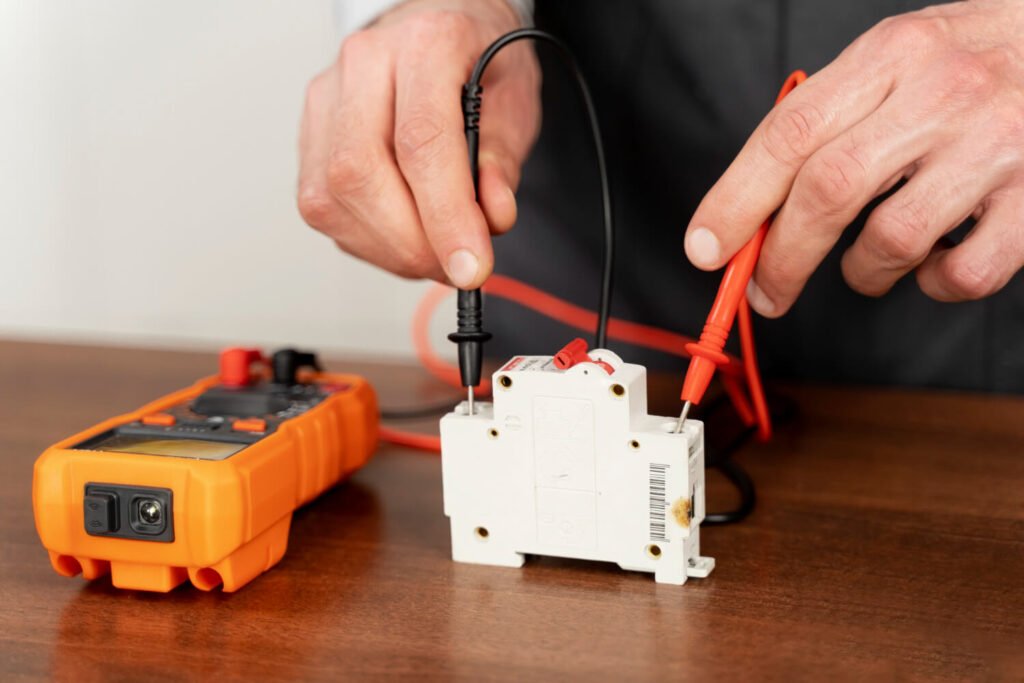
Before you call an electrician, you can perform a introductory “process of elimination” test to see if a specific appliance is causing the headache.
The Unplug-and-Test Method
Open Everything
Go to the room where the power is out and open every single device. Lights, TVs, dishes everything must go.
Reset and Observe
Go to your panel and reset the swell (instructions below). Still, the problem is likely in the wiring or the swell itself, If the swell trips again incontinently with nothing plugged in. Stop and call a pro.
Plug in One by One
If the swell stays on, go back to the room and plug your bias in one at a time. Turn them on as you go.
Identify the Culprit
If you plug in your blender and the power cuts out incontinently, you have set up the issue. That specific appliance probably has a short circuit.
Calculating Amps
Still, you probably have an load, If the swell trips only when all bias are running. You can check the markers on your appliances for their amperage. However, you need to move some appliances to a different outlet, If the total amps of all bias on that circuit exceed 15 (for a 15-amp swell) or 20 (for a 20-amp swell).
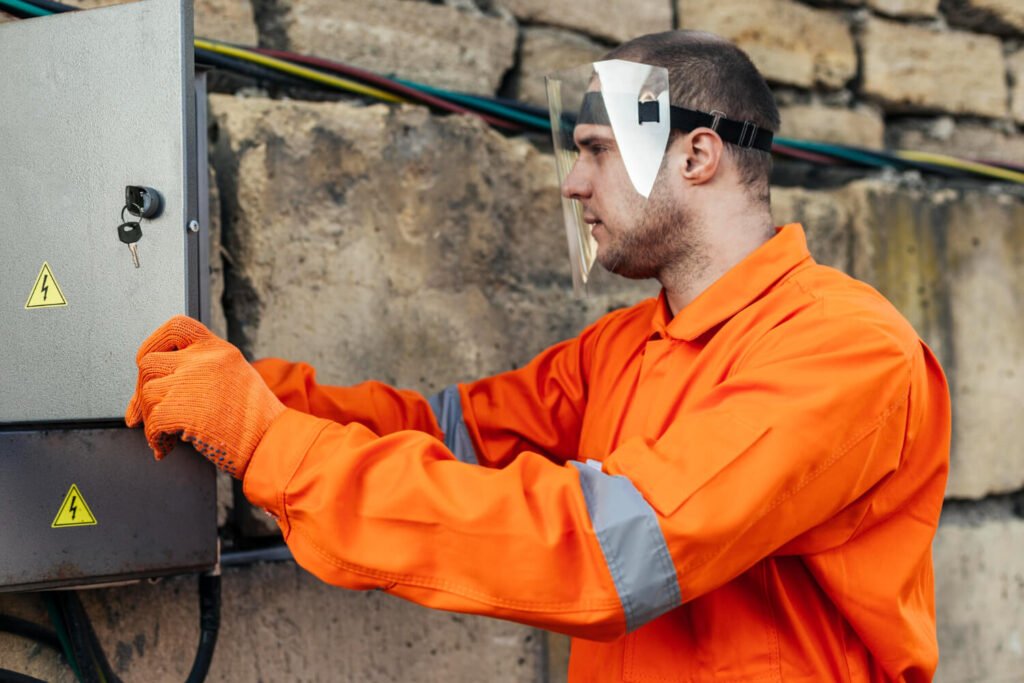
How to Safely Reset a Tripped Circuit Breaker
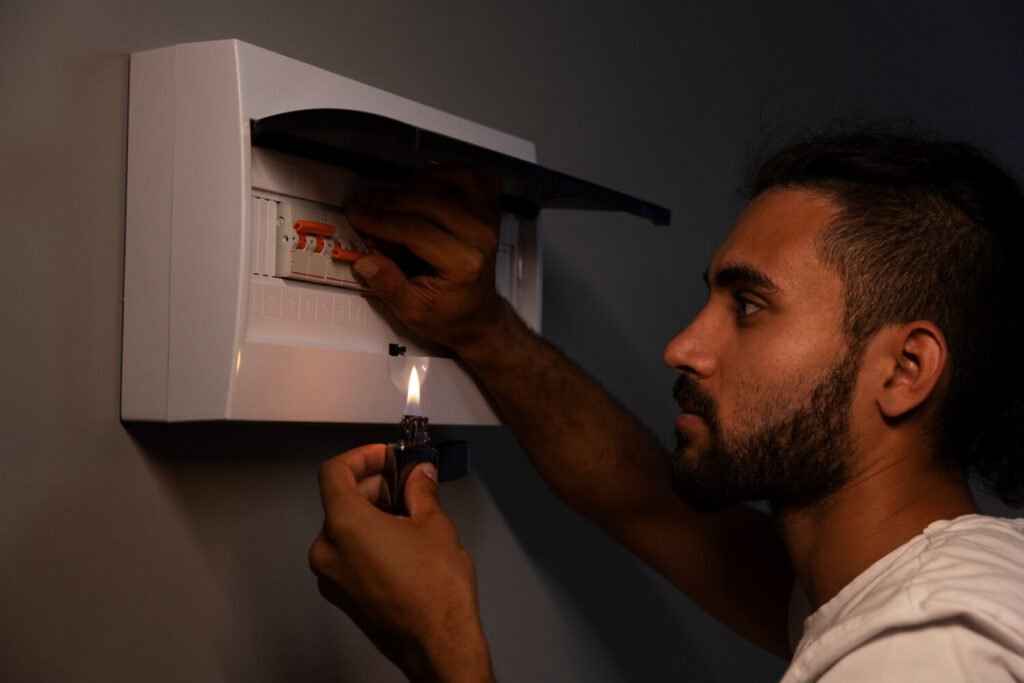
Resetting a swell is simple, but electricity always demands respect. Insure your hands are dry and you’re standing on a dry face before touching the electrical panel.
What Is a Shunt Trip Circuit Breaker?
While troubleshooting of why does my circuit swell keep tripping, you may come across the term “shunt trip circuit swell.” This is n’t your standard ménage switch.
A shunt trip swell is a safety accessory designed to trip the swell ever using an external power source. While standard combers trip due to heat (load) or glamorous surges (films), a shunt trip allows other systems to cut the power designedly.
These are generally set up in marketable settings or elevators. For illustration, a shunt trip might be connected to a structure’s fire alarm system. However, the system sends a signal to the shunt trip to cut power to elevators or ventilation systems automatically, If the bank sensors go off. While you probably will not need to install one in a standard bedroom circuit, knowing what they’re helps you understand the complexity of ultramodern electrical safety systems.
Summary and Next Steps
A tripping circuit swell is a symptom, not the complaint. It’s a clear signal that commodity within your walls or your appliances is acting up whether it’s an overloaded outlet, a dangerous short circuit, or simply an old swell giving up the ghost.
For simple overloads, the result is frequently as easy as moving a high-wattage appliance to a different room. Still, electrical work carries essential risks. However, a ground fault, or if you simply can not detect the source of the problem, If your troubleshooting reveals a short circuit. When it comes to electricity, safety is the only precedence that matters.
If you want this formatted to match the earlier sections exactly (same heading levels, spacing style, or CMS layout), I can do that next without changing a single word.