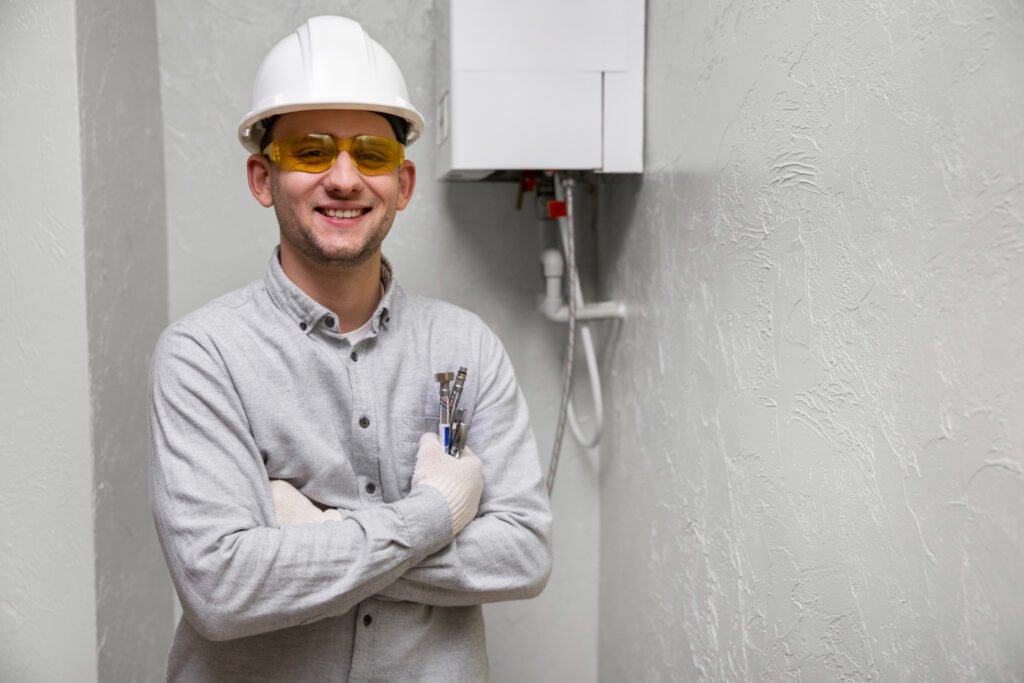
Instant Energy-Effective Tankless Water Heater Repair
Hot water is a introductory necessity in every ménage, and any dislocation in its vacuity can beget vexation and frustration. Whether it’s a cold shower or laundry left untreated, timely instant water heater repair is essential to restore comfort. Beyond form, numerous homeowners are discovering that switching to a tankless water heater can significantly ameliorate energy effectiveness and reduce mileage costs. By understanding how these systems work, the energy savings they give, and the conservation needed, homeowners can make informed choices that profit both the terrain and their holdalls.
This comprehensive companion dives into tankless water heater energy savings, energy-effective water heating systems, and how proper conservation and form contribute to long-term fiscal and environmental benefits.
Understanding Tankless Water Heaters
Tankless water heaters, also called on-demand hot water systems, operate else from traditional storehouse tank water heaters. Rather than continuously hotting and storing water, tankless systems toast water only when demanded. This design eliminates standby energy losses and provides a constant force of hot water without the need for a large storehouse tank.
How Tankless Water Heaters Work
When you turn on a gate or shower, cold water flows through a heat exchanger inside the unit. High-powered electric rudiments or gas burners toast the water incontinently, delivering hot water at a harmonious temperature. Unlike traditional water heaters, which maintain a full tank of hot water 24/7, tankless systems only consume energy when water is in use, creating substantial energy effectiveness earnings.
Instant Water Heater Repair: Importance and Efficiency Impact
Performing instant water heater repair isn’t only pivotal for restoring hot water but also for maintaining the energy effectiveness of your system. Small issues, if left undetermined, can reduce performance and increase energy consumption. Common problems that bear form include:
- Faulty heating rudiments
- Mineral buildup in heat exchangers
- Detector and control failures
- Inconsistent water temperature
Timely troubleshooting and form insure that your tankless water heater operates at peak effectiveness, maximizing both comfort and cost savings.
Energy Effectiveness Advantages of Tankless Water Heaters
1. Eliminates Standby Energy Loss
Traditional tank water heaters constantly toast stored water, indeed when it’s not demanded. This results in standby heat loss, which can regard for over 30% of energy consumption in conventional systems. Tankless water heaters, by discrepancy, heat water only on demand, barring gratuitous energy use.
2. Precise Heating
With advanced temperature controls, energy-effective tankless water heaters deliver water at the exact temperature demanded. This perfection reduces energy waste and improves overall effectiveness, icing that your system doesn’t overheat water unnecessarily.
3. Reduced Mileage Bills
Homeowners using tankless water heaters report significant reductions in their energy bills. On average:
- Electric tankless heaters can save 24–34% in energy costs for homes using 41 gallons of hot water daily.
- Gas-powered units can save 27–50% compared to traditional gas storehouse water heaters.
This is a direct result of reduced standby energy loss and on-demand operation.
How Tankless Water Heater Energy Savings Work
Demand-Driven Heating
Unlike conventional water heaters that maintain large volumes of hot water, tankless systems only spark when water is demanded. This on-demand heating ensures that energy is used efficiently, precluding wasted electricity or gas.
Life and Reduced Relief Costs
Energy-effective tankless water heaters have a longer lifetime, generally 18–25 times, compared to 8–12 times for traditional tanks. Longer functional life reduces the frequence of reserves, rephrasing into farther savings over time.
Lower Water Waste
Because tankless systems deliver hot water incontinently, homeowners spend lower time running gates while staying for water to heat. This reduces water waste and the energy used to toast gratuitous water, adding another subcaste of savings.
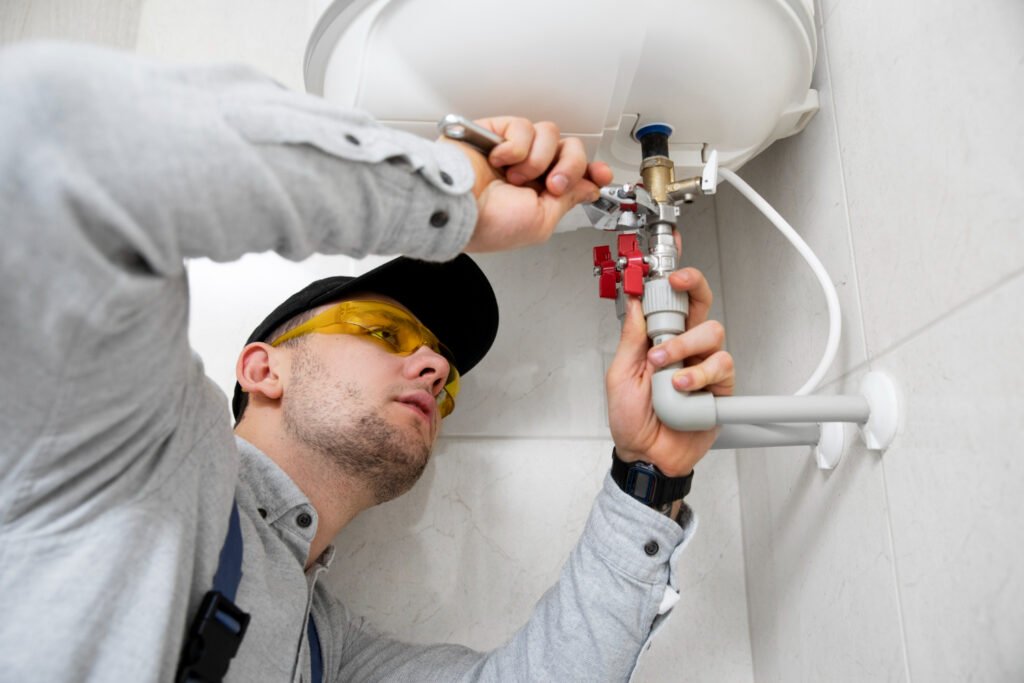
Instant Water Heater Troubleshooting: Maintaining Effectiveness
To insure maximum energy effectiveness and cost savings, it’s important to address any functional issues instantly. Instant water heater troubleshooting involves:
- Checking for mineral buildup: Hard water can beget scaling, which reduces heat transfer effectiveness.
- Inspecting heating rudiments: Faulty rudiments can fail to toast water adequately, forcing the system to work harder.
- Monitoring detectors and controls: Conking detectors can lead to overheating or underheating, wasting energy.
- Checking water inflow rates: Confined inflow can spark the system to overcompensate, consuming further energy.
Regular troubleshooting and conservation help maintain harmonious performance and maximize tankless water heater energy savings.
Among these, energy-effective tankless water heaters strike a balance between effectiveness, trustability, and long-term savings.
Environmental Benefits of Energy-Effective Tankless Water Heaters
Using a tankless system reduces both energy consumption and carbon footmark. By hotting water only when demanded and maintaining high effectiveness, these systems contribute to:
- Lower hothouse gas emigrations
- Reduced electricity and gas demand
- Sustainable energy operation over the system’s lifetime
Switching to a tankless water heater aligns with eco-conscious living without compromising comfort.
Cost Considerations and Return on Investment
While tankless water heaters have a advanced outspoken cost than traditional units, their energy effectiveness and life affect in substantial long-term savings.
Upfront Costs
- Unit price: Electric ($500–$1,500), Gas ($1,000–$2,500)
- Installation: $500–$2,000 depending on complexity
Savings Over Time
- Lower energy bills: 20–50% reduction depending on operation
- Longer lifetime: Less frequent relief
- Reduced conservation: Proper form and servicing extend life
A duly maintained, energy-effective tankless water heater can pay for itself within 5–10 times.
When to Schedule Instant Water Heater Repair
Regular instant water heater repair ensures consistent performance and energy savings. Signs that service is needed include:
- Fluctuating water temperature
- Reduced water pressure
- Strange noises or odor
- Error codes on digital units
Timely repair prevents further energy waste and protects your investment.
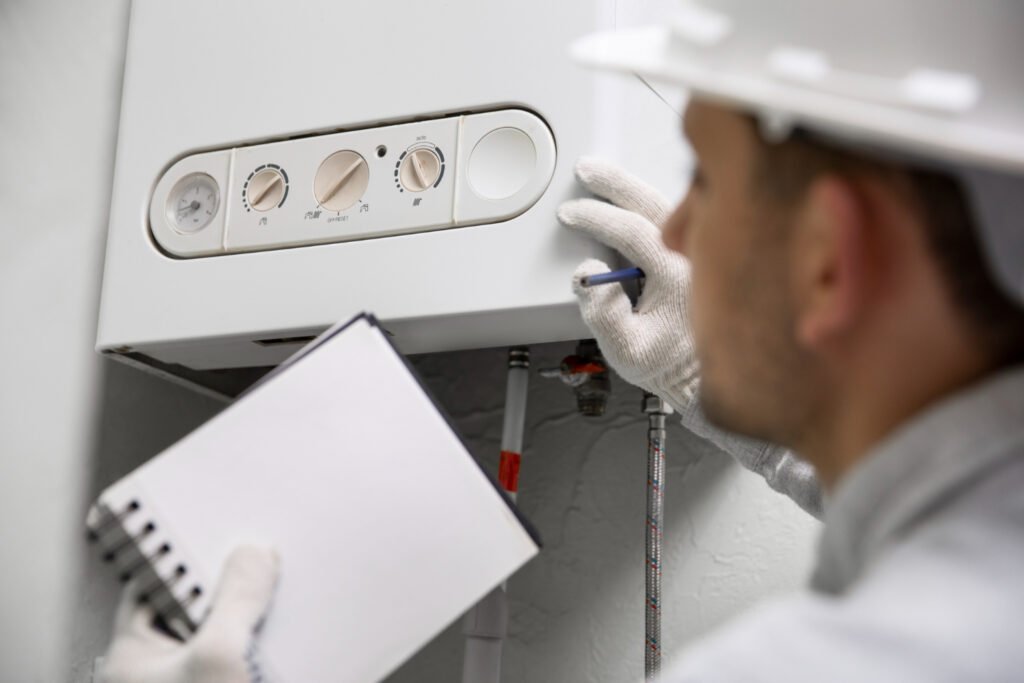
Professional Installation: Maximizing Energy Efficiency
Proper installation is critical for achieving maximum energy efficiency. Professional water heater installation ensures:
- Correct sizing for household needs
- Proper connection to gas, electric, and plumbing lines
- Compliance with local safety codes
- Reduced risk of future breakdowns
Incorrect installation can negate efficiency benefits, leading to higher energy bills and more frequent repairs.
Tips for Maintaining an Energy-Efficient Tankless Water Heater
- Annual Descaling: Remove mineral buildup to maintain optimal heat transfer.
- Filter Cleaning: Clean inlet filters to prevent restricted water flow.
- Temperature Settings: Keep water temperature at an efficient level (120°F is recommended).
- Periodic Inspection: Schedule professional checks to ensure components are functioning properly.
- Instant Water Heater Troubleshooting: Address minor issues early to prevent energy waste.
Following these practices enhances tankless water heater energy savings and ensures reliable operation.
Common Myths About Energy-Efficient Tankless Water Heaters
- Myth 1: Tankless water heaters run out of hot water.
Reality: They provide continuous hot water as long as the flow rate is within system capacity. - Myth 2: They are only suitable for small households.
Reality: Properly sized units can serve large families and multiple bathrooms simultaneously. - Myth 3: Tankless systems are not cost-effective.
Reality: Energy savings and longevity often offset the higher initial cost. - Myth 4: Maintenance is complicated.
Reality: With annual servicing and occasional troubleshooting, upkeep is straightforward.
Energy-Efficient Tankless Water Heaters: A Smart Investment
Adopting an energy-efficient tankless water heater benefits homeowners in multiple ways:
- Reduced energy consumption
- Lower utility bills
- Continuous hot water supply
- Minimal environmental impact
- Long system lifespan
Combining these advantages with instant water heater repair and maintenance ensures maximum efficiency and savings.