An extention cord is one of the most commonly used electrical accessories in homes, offices, and industrial environments. From powering household appliances to supporting temporary electrical needs, extension cords offer flexibility and convenience. However, improper usage of an extention cord can lead to serious hazards such as electrical fires, electric shocks, and damage to appliances. Understanding correct usage, safety standards, and electrical cord safety principles is essential for protecting both people and property.
This complete guide explains everything you need to know about extension cords, including types, risks, safe handling practices, and extension cord safety tips. Whether you are a homeowner, renter, or professional, this article will help you use electrical cords responsibly and safely.
What Is an Extention Cord and Why Is It Used?
An extention cord is a flexible electrical cable with a plug on one end and one or more outlets on the other. It allows electricity to reach devices when a wall outlet is too far away. Electrical cords like extension cords are commonly used for temporary setups such as home repairs, outdoor work, events, and seasonal decorations.
Despite their usefulness, extension cords are not designed to replace permanent wiring. Long-term or improper use increases the risk of overheating, short circuits, and fire hazards. Understanding this limitation is a critical part of electrical cord safety.
Types of Extention Cord You Should Know
Choosing the right extention cord depends on where and how it will be used. Using the wrong type can be dangerous.
Indoor Extension Cords
These are lightweight cords designed for low-power devices like lamps, chargers, and small electronics. They should never be used outdoors.
Outdoor Extension Cords
Outdoor extension cords have thicker insulation and are built to resist moisture, sunlight, and temperature changes. These are ideal for garden equipment and outdoor lighting.
Heavy-Duty Extension Cords
Heavy-duty electrical cords support high-wattage tools such as drills, heaters, and construction equipment. They usually have lower gauge numbers, allowing them to carry more electrical current safely.
Specialty Extension Cords
These include flat cords, surge-protected cords, and locking cords designed for specific use cases.
Why Electrical Cord Safety Is Extremely Important
Electrical cord safety is often ignored until an accident happens. Faulty or overloaded electrical cords are among the leading causes of electrical fires worldwide. Extension cords that are damaged, improperly rated, or used incorrectly can easily overheat and ignite nearby materials.
Common electrical cord safety risks include:
- Overloading cords
- Using damaged cords
- Running cords under carpets or furniture
- Exposure to water
- Using indoor cords outdoors
Following proper extension cord safety guidelines greatly reduces these risks.
Common Extention Cord Safety Mistakes
Many people unknowingly misuse extension cords. These common mistakes should be avoided at all costs.
Overloading the Cord
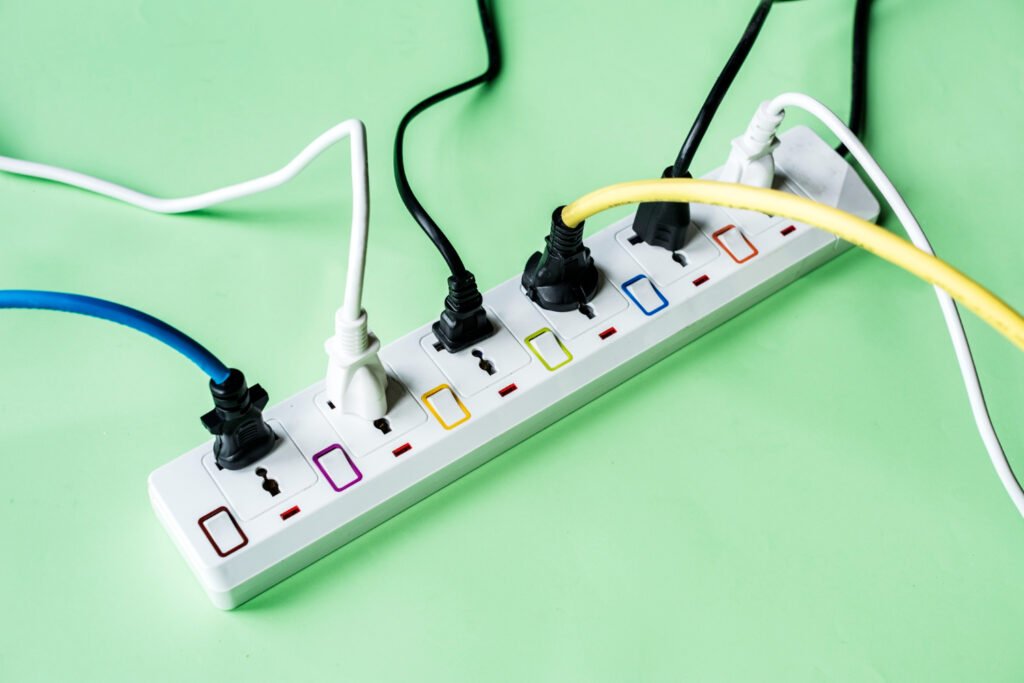
Plugging multiple high-power appliances into one extention cord can cause overheating and fire hazards.
Permanent Use of Extension Cords
Extension cords are meant for temporary use only. Using them as permanent wiring violates safety standards.
Ignoring Visible Damage
Frayed insulation, exposed wires, and loose plugs are warning signs. Damaged electrical cords should be replaced immediately.
Improper Storage
Tightly coiling cords or storing them in hot places weakens insulation and reduces lifespan.
Extention Cord Safety Tips for Home and Office
Following proven extension cord safety tips helps prevent accidents and equipment damage.
- Always choose the correct cord type for the task
- Match the cord rating with the appliance’s power needs
- Keep cords away from heat and sharp edges
- Never run cords under rugs or carpets
- Unplug extension cords when not in use
- Avoid connecting multiple extension cords together
These simple habits greatly improve electrical cord safety.
Understanding Electrical Cords Ratings and Labels
Every extention cord includes safety ratings that indicate how much power it can safely handle.
Wire Gauge (AWG)
Lower AWG numbers mean thicker wires and higher current capacity.
Voltage and Amperage Ratings
The cord must meet or exceed the appliance’s electrical requirements.
Safety Certifications
Look for UL or ETL certification marks, which confirm compliance with safety standards.
Understanding these labels is essential for safe electrical cord usage.
Outdoor Extention Cord Safety Best Practices
Outdoor usage adds risks such as water exposure and extreme temperatures. Always follow these outdoor extension cord safety rules:
- Use weather-rated extension cords only
- Keep plug connections off the ground
- Protect outlets with waterproof covers
- Avoid use during rain or snow
These precautions significantly reduce outdoor electrical hazards.
Electrical Cords and Fire Hazards
Electrical cords are a major contributor to residential and commercial fires. Overheating due to overloading or damaged insulation is the most common cause.
Warning signs include:
- Warm or hot cords
- Burning smells
- Flickering power
- Discolored outlets
If you notice any of these signs, stop using the extention cord immediately.
Child and Pet Safety Around Extention Cord
Children and pets are especially vulnerable to electrical accidents. Loose electrical cords can be chewed, pulled, or tripped over.
Safety measures include:
- Using cord covers
- Keeping cords out of reach
- Securing unused outlets
- Supervising cord usage in living areas
Practicing extension cord safety helps prevent serious injuries.
Extention Cord vs Power Strip: Key Differences
Many people confuse extension cords with power strips, but they serve different purposes.
- Extension cords extend reach
- Power strips distribute power to multiple devices
Using one incorrectly can compromise electrical cord safety. Always use the right tool for the job.
When Should You Replace an Extention Cord?
Electrical cords do not last forever. Replace your extention cord if you notice:
- Cracks or cuts in insulation
- Exposed wiring
- Loose plugs
- Frequent overheating
Replacing old cords is far safer than risking electrical failure.
Workplace Electrical Cord Safety Guidelines
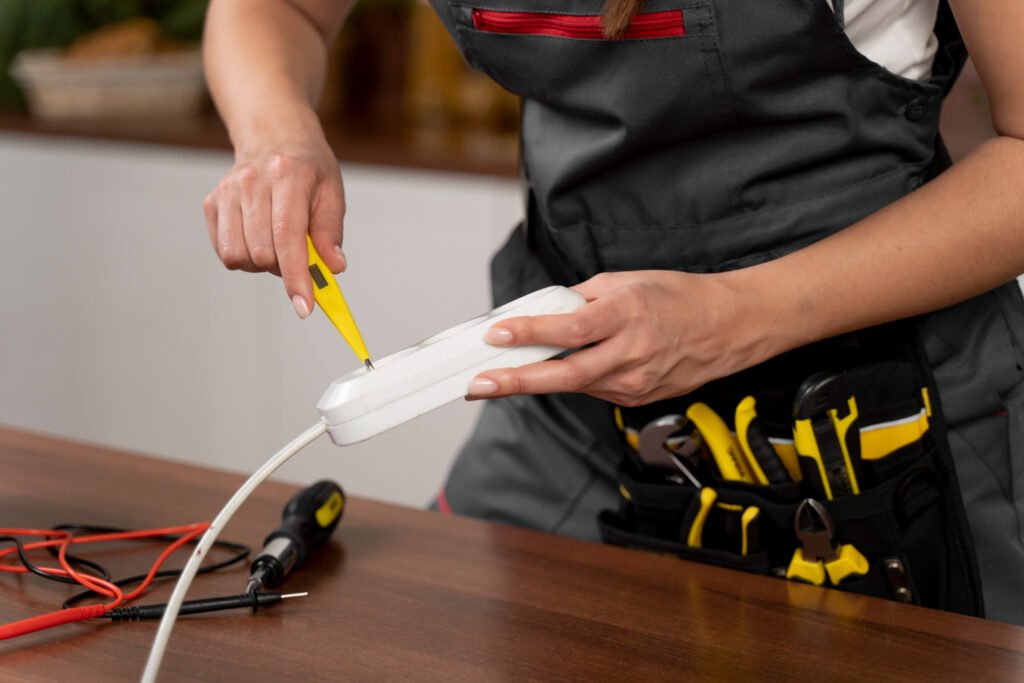
In professional environments, electrical cord safety is often regulated. Employers must ensure cords are:
- Properly rated
- Regularly inspected
- Not used as permanent wiring
Following these guidelines improves safety and compliance.
Energy Efficiency and Extention Cord Usage
Using an extention cord inefficiently can waste energy and reduce appliance performance.
Best practices include:
- Using the shortest cord possible
- Avoiding unnecessary extensions
- Unplugging cords when idle
Efficient usage improves safety and reduces electricity costs.
Frequently Asked Questions About Extention Cord Safety
Can extension cords be used permanently?
No, they are designed only for temporary use.
Is it safe to connect multiple extension cords?
No, daisy-chaining increases fire risk.
Can electrical cords cause electric shock?
Yes, especially if damaged or improperly used.
Final Thoughts on Extention Cord and Electrical Cord Safety
An extention cord is a convenient electrical tool, but only when used correctly. Understanding electrical cord safety, selecting the right cord, and following proper extension cord safety tips can prevent accidents, injuries, and property damage.
Treat extension cords as temporary solutions, inspect them regularly, and respect their electrical limits. Safe practices today ensure a safer home and workplace tomorrow.