We have all been there. You plug in the toaster, or flip a light switch, and suddenly pop. The room goes dark, the hum of the refrigerator stops, and you are left standing in silence. It is a common household scenario, but that sudden snap is more than just an inconvenience. It is a warning sign.
That “pop” is the sound of an electrical short. While tripping a breaker is annoying, the mechanism behind it is actually saving your home from serious damage. However, ignoring the root cause or resetting the breaker without investigation can be dangerous.
Understanding what is happening behind your walls is crucial for every homeowner. Electrical shorts are not just technical glitches; they are major fire hazards and potential causes of electrocution. According to fire safety statistics, electrical failures or malfunctions are a leading factor in home fires.
In this guide, we will walk you through exactly what is happening during a short circuit. We will cover the physics behind short circuit electricity, the conditions when an electric short circuit occurs, how to identify the warning signs, and the critical safety measures you need to take to protect your home and family.
What is a Short in an Electrical Circuit?
To understand a short circuit, we first need to look at how electricity normally behaves. Electricity flows in a specific loop: it travels from the power source, along a hot wire, through a device (the load, like a lamp or appliance), and back to the source through a neutral wire.
The device you are powering provides resistance. This resistance slows down the flow of electricity, ensuring the current stays at a safe, manageable level.
The Science of the “Short” Path
Electricity is lazy; it always seeks the path of least resistance. An electrical short circuit happens when the electrical current finds a shortcut.
Instead of flowing through the lightbulb or appliance that provides resistance, the current bypasses the intended load. It jumps directly from the hot wire to the neutral wire (or another conductive object).
This new path the short circuit has almost no resistance.
The Result of Low Resistance
Ohm’s Law tells us that current is equal to voltage divided by resistance. If resistance drops to near zero, the current skyrockets instantly.
When the short circuit current becomes excessive, it creates an immense amount of energy in a fraction of a second. This surge of power generates intense heat, sparks, and sometimes an arc flash.
This is why short circuits are such a significant fire risk: the heat generated can easily melt insulation and ignite surrounding materials like drywall or wood framing.
Broken vs. Short Circuits
It is important to distinguish between a broken circuit and a short circuit.
Open Circuit (Broken):
The path is interrupted (like a cut wire). Electricity stops flowing entirely. It is annoying, but generally safe because no current is moving.
Short Circuit:
The path is too easy. Electricity flows too fast and too hard. This is highly dangerous.
When Does an Electric Short Circuit Occur?
A short circuit is not a random event; specific physical conditions must be met for it to happen. Generally, it requires the insulation separating conductive wires to fail, allowing them to touch.
The Conditions for Wire Shorting
There are two primary types of shorts you might encounter in a residential system:
- Normal Short Circuit:
This occurs when a hot wire (carrying the current) comes into contact with a neutral wire. The resistance drops instantly, and the current surges. - Ground Fault:
This is a specific type of short circuit where the hot wire comes into contact with the grounded portion of the system. This could be a bare copper ground wire, a metal electrical box, or even a metal water pipe.
Timeframe: Instant vs. Gradual
When can a short circuit occur? It depends on the cause.
Instantaneous:
This happens the moment you plug in a faulty device or flip a switch on a damaged circuit. The reaction is immediate.
Gradual:
Sometimes, the conditions for a short develop over years. Wire insulation might slowly degrade due to heat, age, or pests. You might not notice anything is wrong until the insulation finally crumbles away, allowing the wires to touch.
What Causes an Electrical Short?
Understanding the physical reasons behind the phenomenon helps in prevention. What causes an electrical short is often a combination of neglect, age, and external damage.
Shorted Wiring (Insulation Breakdown)
The most common culprit is damaged insulation. Electrical wires are coated in plastic or rubber to prevent them from touching.
Over time, this insulation can crack due to age or heat. Alternatively, if you have had rodents in your attic or walls, they may chew through the coating. Once the bare metal of the hot and neutral wires touch, you have a cable shorted issue.
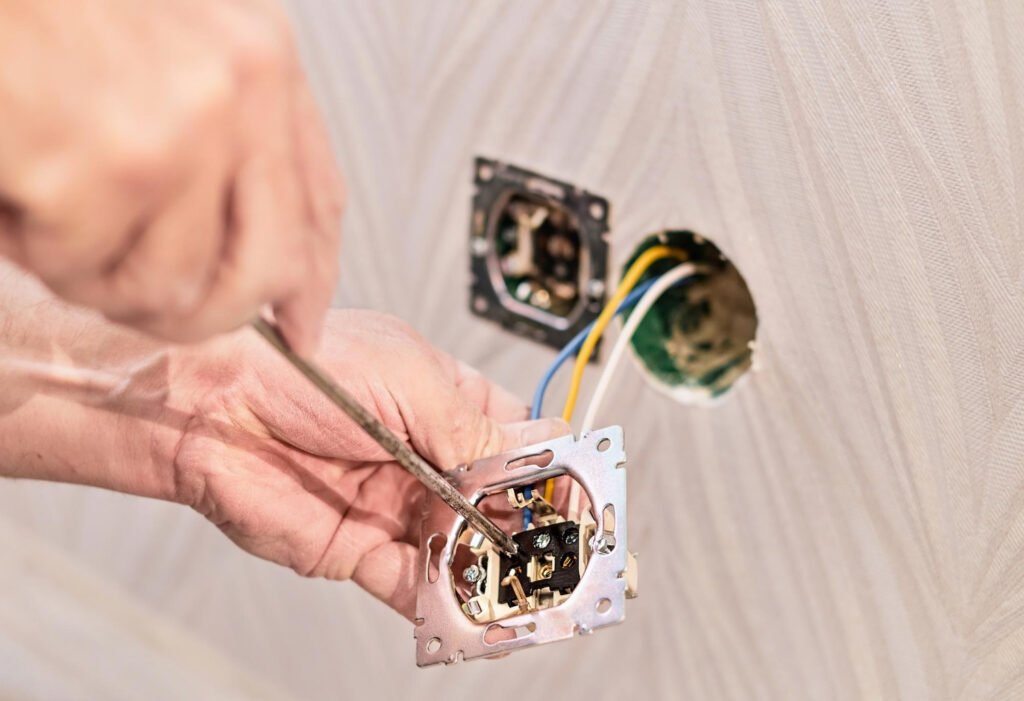
Loose Connections
Whenever wires are spliced together or connected to an outlet, they must be secure. If a connection is loose, the wire can wiggle free.
If a loose hot wire touches a neutral wire, a ground wire, or the metal box, it will cause a short.
Faulty Appliance Wiring
Sometimes, your home wiring is perfectly fine. The issue might lie within the device you are plugging in.
Old lamps, toasters, or irons with frayed cords are notorious for causing shorts. If the internal wiring of the appliance malfunctions, it becomes the source of the short circuit electricity.
Summary: Checklist of Causes
To recap, here are the primary causes of a short circuit:
- Damaged Insulation: Cracks, cuts, or age-related decay exposing the wire
- Pests: Rats, mice, or squirrels chewing on wires
- Loose Connections: Wires slipping out of terminals in outlets or switches
- Faulty Appliances: Internal damage to devices plugged into the wall
- Water Intrusion: Water is a conductor; leaks reaching wiring can bridge the gap between wires
The Part of the Short Circuit Breaker
Your home has a built-in defense system: the service panel (breaker box). The circuit breaker is designed specifically to detect dangerous electrical surges and stop them before a fire starts.
The First Line of Defense
Under normal conditions, a standard 15-amp or 20-amp breaker allows current to flow continuously. However, when a short circuit occurs, the amperage spikes to levels far beyond 20 amps sometimes hundreds of amps in a split second.
The Tripping Mechanism
Circuit breakers use two mechanisms to detect danger:
- Thermal: Detects heat buildup from a slow overload
- Magnetic: Detects the massive, immediate electromagnetic surge caused by a short circuit
When the breaker senses this sudden surge from short-circuit current, the magnetic mechanism triggers, snapping the switch to the OFF position. This cuts power instantly, stopping heat generation and preventing fire.
Short in Circuit Breaker
This leads to an important question: Can the breaker itself be the problem?
Yes. Like any mechanical device, breakers can fail.
You might have a short in the circuit breaker if a breaker keeps tripping and you cannot find any fault in the wiring or appliances.
Signs of a bad breaker include:
- The breaker feels hot to the touch
- A burning plastic smell
- Visible damage or scorch marks
Action:
If you suspect the breaker is defective, do not attempt to replace it yourself unless you are trained. Working inside the main panel is dangerous. Call a professional electrician.
Electrical Short Circuit Study: Signs and Prevention
You do not always have to wait for the lights to go out to know there is a problem. Often, your electrical system gives subtle hints that a short circuit is developing.
Detecting the Signs
Be observant of your home’s electrical behavior. Watch for these warning signs:
- Burning smells: Ozone, burning plastic, or unusual odors near outlets
- Audible noises: Buzzing, sizzling, or popping sounds from walls or switches (electrical short noises)
- Visual cues: Sparks when plugging in devices, or brown/black scorch marks on outlets
- Flickering lights: May indicate a loose connection that can lead to a dead short
Prevention and Maintenance
Preventing a short circuit is far safer and less expensive than repairing the damage afterward.
1. Electrical Short Circuit Study and Inspection
The most effective prevention is a professional inspection. Have a certified electrician inspect your home’s wiring every few years especially in older homes.
They use specialized tools to detect current leakage or insulation breakdown that is not visible to homeowners.
2. Avoid Overloading
While overloading usually causes breaker trips rather than shorts, the heat generated by overloaded outlets can degrade insulation over time, eventually leading to a short circuit.
3. Check Cords
Inspect power cords for vacuums, lamps, and kitchen appliances regularly.
If you see cracked insulation or exposed wire, stop using the device immediately.
How to Fix an Electric Short Circuit
If your power goes out, your instinct may be to flip the breaker back on. Do not do this.
The breaker tripped for a reason. Resetting it without finding the cause sends a dangerous surge of electricity back into the fault potentially causing the fire the breaker just prevented.
Step-by-Step Troubleshooting
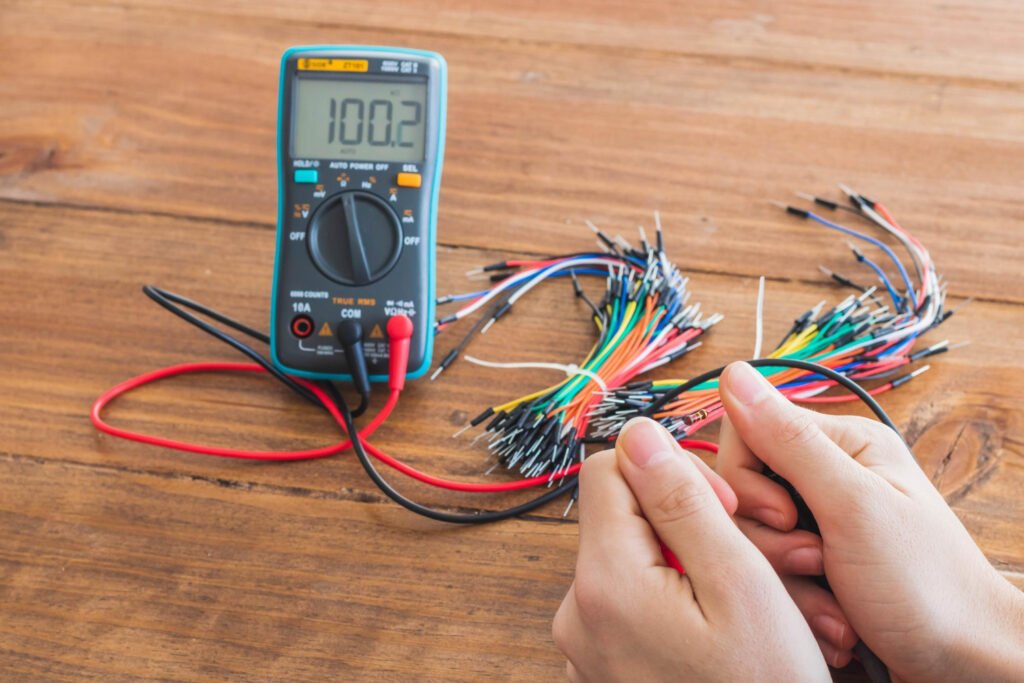
Follow this safe method to isolate the issue:
Safety First
Go to the panel and identify the tripped breaker. It will be in the middle or OFF position.
Clear the Circuit
Go to the affected room. Turn off all switches and unplug every appliance and device on that circuit.
Reset the Breaker
Return to the panel. Flip the breaker fully to OFF, then back to ON.
Observe
- If it trips immediately:
The problem is likely inside the wall wiring, a loose outlet connection, or a defective breaker. Leave the breaker OFF and call an electrician. This is a common cause of shorts inside walls. - If it stays on:
The wall wiring is likely safe. One of the unplugged devices caused the problem.
Find the Faulty Appliance
Plug devices back in one at a time. If the breaker trips immediately after plugging in a specific appliance, you have found the culprit. Repair or replace it.
When to Call a Pro
If everything is unplugged and the breaker still trips immediately, the short is hardwired. Possible causes include:
- A nail driven through a wire
- Rodent damage inside the wall
- A melted wire nut in a junction box
Do not attempt to troubleshoot inside walls yourself. Tracing hidden shorts requires professional equipment.
Conclusion: Staying Safe from Electrical Fires
Electricity powers modern life, but it demands respect. A short circuit is not just an inconvenience it is a violent release of energy caused by a failure in electrical safety barriers.
Remember: an electrical short occurs when electricity takes an unintended, low-resistance path, generating dangerous heat. Recognizing warning signs like buzzing sounds, burning smells, and frequent breaker trips can save lives and property.
Electrical shorts remain a leading cause of residential fires. If a breaker trips repeatedly or you smell burning near an outlet, act immediately.
Inspect your home for damaged cords or exposed wiring today. If you suspect a short inside your walls, do not wait schedule a professional electrical safety inspection to ensure your home is safe and up to code.