How to Install Central Heating and Air Conditioning: A Complete HVAC Guide
Installing central heating and air conditioning is one of the best upgrades you can make for your home. First of all, it improves comfort throughout the year. At the same time, it helps control indoor air quality and energy usage. Because of this, many homeowners choose to install a full HVAC system instead of separate heating and cooling units.
Before installation begins, however, you should understand how HVAC works, how central air works, and how heating and cooling systems work together. Without this knowledge, it becomes harder to choose the right system or avoid expensive mistakes.
In this guide, you will learn how HVAC systems function, how heaters and air conditioners operate, and how central heating and air conditioning systems are installed in residential homes.
How Does Central Air Work?
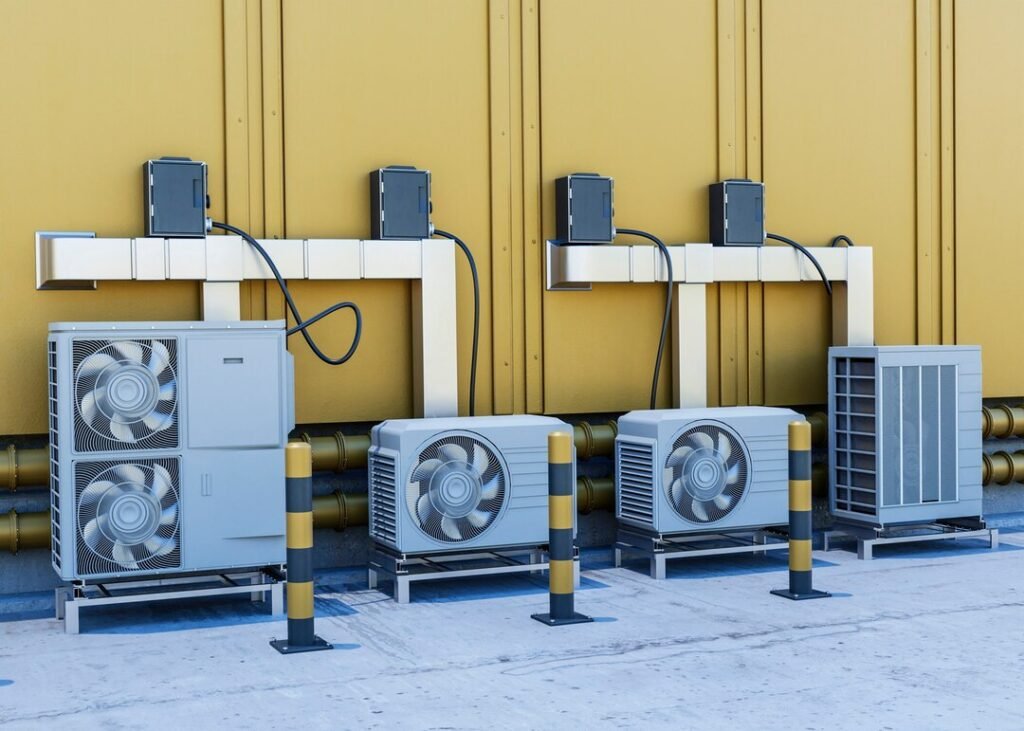
Central air conditioning cools your entire home using one connected system. Instead of cooling individual rooms, it delivers cool air evenly through ductwork. As a result, every room stays comfortable.
At its core, central air works by removing heat from indoor air. Then, it releases that heat outside. Because this process repeats constantly, the system maintains a steady indoor temperature.
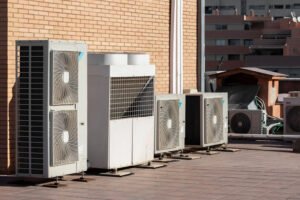
Main Parts of a Central Air System
- Outdoor condenser unit
- Compressor
- Evaporator coil
- Refrigerant
- Blower fan
- Ductwork
- Thermostat
How the Central Air Cooling Process Works
First, the system pulls warm air from your home through return vents.
Next, the air passes over the evaporator coil, where refrigerant absorbs heat.
Then, the blower pushes cool air back through the ducts and into each room.
Meanwhile, the refrigerant carries heat outside to the condenser unit.
Finally, the system releases heat outdoors and repeats the cycle.
Because this process runs continuously, central air systems keep indoor temperatures consistent and comfortable.
How Does HVAC Work in a Home?
HVAC stands for Heating, Ventilation, and Air Conditioning. Together, these three functions control temperature, airflow, and air quality. Rather than working alone, each part supports the others.
When you understand how HVAC works, you see how heating and cooling share components. For example, many systems use the same ducts and blower fan. Because of this shared design, HVAC systems operate more efficiently.
What an HVAC System Does
- Heats your home during winter
- Cools your home during summer
- Circulates fresh air
- Filters dust and allergens
- Controls humidity
Most HVAC systems use a thermostat to monitor temperature. When the temperature changes, the thermostat signals the system to respond immediately.
HVAC: How It Works Throughout the Year
HVAC systems adjust their operation based on the season.
During summer, the air conditioner removes heat and moisture from indoor air. At the same time, the ventilation system keeps air moving and clean.
During winter, the heating system produces warm air and distributes it through ducts. Meanwhile, the air conditioner remains off.
Because HVAC systems switch smoothly between heating and cooling, they provide comfort throughout the year.
How Does a Heater Work?
A heater produces warmth and moves it throughout your home. Although heater designs differ, the basic process stays the same.
First, the heater generates heat using gas or electricity.
Next, the system transfers that heat to air or water.
Then, ducts or pipes distribute the heat to each room.
Common Types of Heaters
- Gas heaters
- Electric heaters
- Forced air furnaces
- Heat pumps
Modern heaters include safety controls. As a result, they shut down automatically if problems occur.
How Heater Works in Forced Air Systems
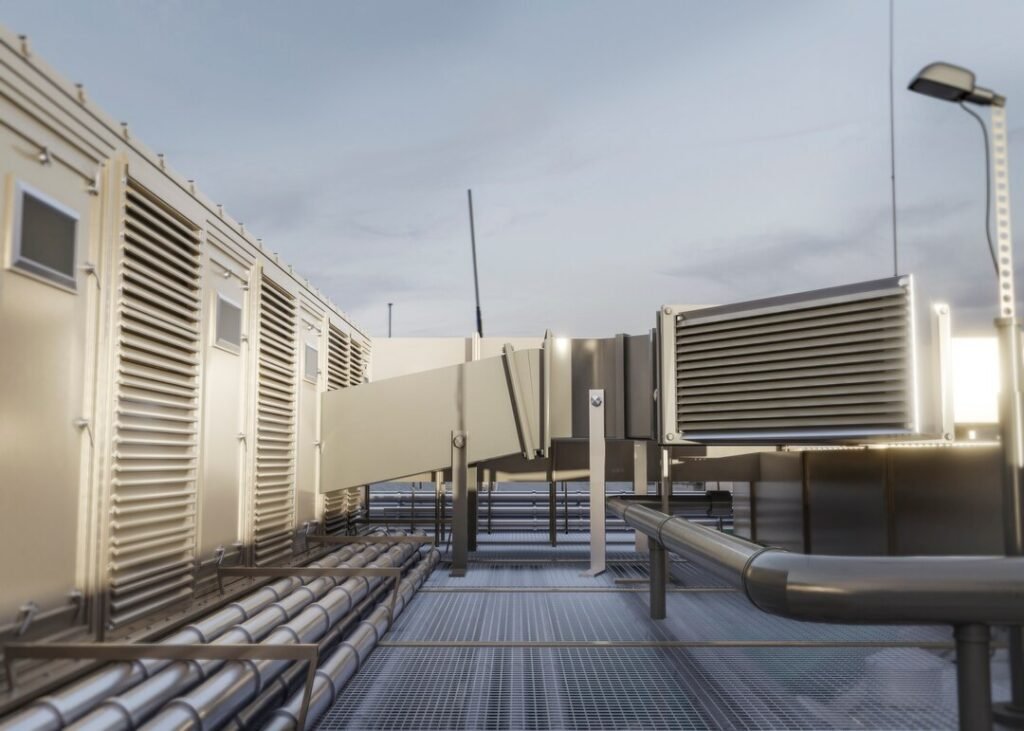
Forced air heating remains one of the most common heating methods in homes.
In this system:
- The furnace heats air
- The blower pushes warm air
- Ducts deliver heat to every room
Because forced air systems share ducts with central air conditioning, they work perfectly in full HVAC setups.
How Does a Heater Coil Work?
A heater coil creates heat using electricity or hot water. When air flows over the coil, it warms up quickly. Because of this, heater coils respond fast to temperature changes.
Heater coils commonly appear in:
- Electric furnaces
- Air handlers
- Supplemental heating systems
How Does an AC Unit Work?
An AC unit cools your home by moving heat instead of producing cold air. For this reason, air conditioning remains energy efficient.
Main Parts of an AC Unit
- Compressor
- Condenser coil
- Evaporator coil
- Refrigerant
- Expansion valve
First, refrigerant absorbs heat inside your home.
Next, the compressor increases pressure.
Then, the condenser releases heat outdoors.
After that, refrigerant returns indoors to repeat the cycle.
How Does a Home AC System Work?
A home AC system connects cooling equipment to ductwork and thermostats. As a result, it cools the entire home evenly.
In addition, home AC systems:
- Filter indoor air
- Reduce humidity
- Improve overall comfort
Because of these benefits, central AC systems outperform single-room units.
How AC Systems Work Together With Heating
Many homes combine heating and cooling into one system. In these setups, the furnace and AC share key components.
Shared components include:
- Blower fan
- Ductwork
- Thermostat
During summer, the blower circulates cool air.
During winter, it circulates warm air.
Therefore, this shared design saves space and energy.
Types of Central Air Conditioning System
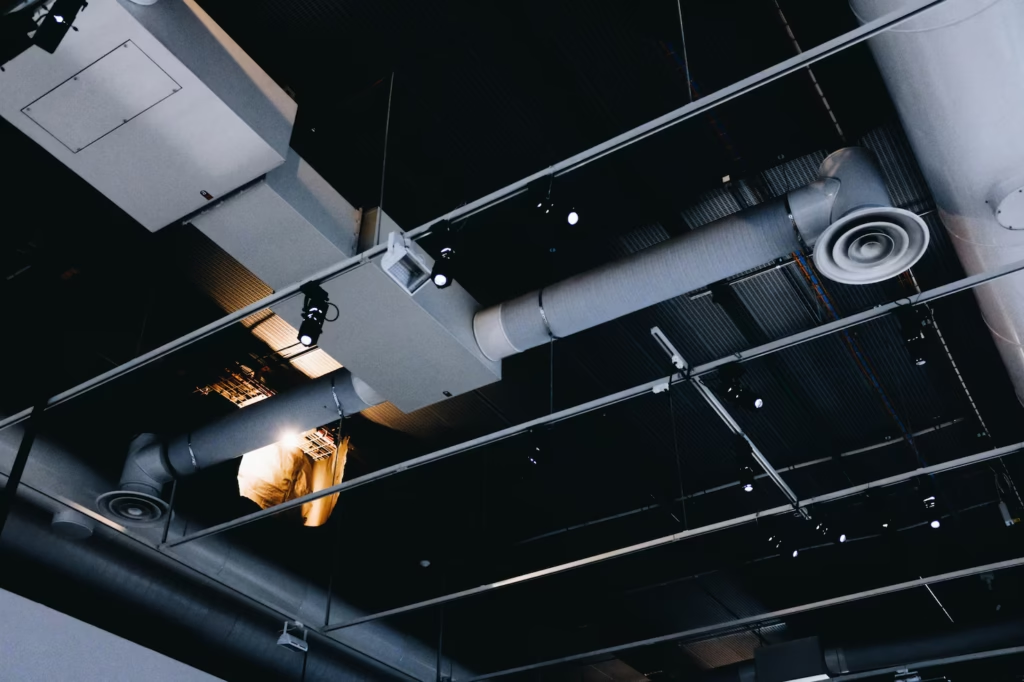
Choosing the right system affects comfort and efficiency.
Common Types of Central Air Conditioning Systems
- Split systems – indoor and outdoor units
- Packaged systems – all components in one unit
- Ductless mini-split systems – no ductwork
- Hybrid systems – combine traditional and efficient technology
Each system suits different home layouts and climates.
How Do Apartment HVAC Systems Work?
Apartment HVAC systems differ from single-family home systems. In many buildings, space limitations influence design.
Some apartments use centralized HVAC systems. In contrast, others rely on individual units.
Common Apartment HVAC Configurations
- Central building systems
- Individual unit systems
- Ductless HVAC systems
- Wall-mounted heating and cooling
Because apartments have limited space, these systems focus on compact and efficient operation.
How to Install Central Heating and Air Conditioning
Installing central heating and air conditioning requires careful planning. Most importantly, system size must match the home.
Main Installation Steps
- Evaluate home layout
- Calculate heating and cooling load
- Choose the right HVAC system
- Install or upgrade ductwork
- Connect electrical components
- Test and adjust performance
Proper installation ensures safety, comfort, and efficiency. For this reason, most homeowners choose professional installers.
Final Thoughts
Learning how to install central heating and air conditioning begins with understanding how HVAC works, how central air works, and how heaters and AC systems operate together.
When you understand these systems, you make smarter choices. As a result, you improve comfort, reduce energy costs, and avoid future problems. Most importantly, a properly installed HVAC system keeps your home comfortable in every season.