When choosing a new heating and cooling system, most homeowners compare two primary options: the HVAC split system and the package unit. If you have been searching for terms like hvac split system, split system AC, or package unit HVAC, you are likely trying to determine which system is best for your property.
This comprehensive guide explains what a split system air conditioner is, how it works, how it compares to a packaged air conditioner, and which system makes the most sense for your needs.
Understanding these systems in detail will help you make an informed investment that affects your comfort, energy bills, and long-term maintenance costs.
What Is a Split System Air Conditioner?
A split system air conditioner is a cooling system that is divided into two main components: an indoor unit and an outdoor unit. It is called a split system because the equipment is physically separated between these two locations.
When people ask, “what is a split system air conditioner?” they are typically referring to this configuration where the evaporator coil and air handler are installed inside the home, while the condenser and compressor are located outdoors.
If you are wondering what is a split AC unit or what is a split air conditioner, the answer is essentially the same. A split AC unit includes an indoor component that circulates cool air through ductwork and an outdoor condenser that releases heat absorbed from inside your home. Refrigerant lines connect these two units, allowing heat transfer to occur efficiently.
A split system AC is extremely common in residential properties because it provides efficient cooling and can also be integrated with heating components to create a complete HVAC split system.
What Is an HVAC Split System?
An HVAC split system goes beyond simple air conditioning. While a split system AC handles cooling, a full HVAC split system manages both heating and cooling.
In most traditional homes, this setup includes a gas furnace or air handler indoors paired with an outdoor air conditioning condenser. When people search for split systems HVAC or simply split systems, they are often referring to this complete heating and cooling arrangement.
During the summer, the air conditioner removes heat from the indoor air and transfers it outdoors. During the winter, the furnace generates heat and distributes warm air through the same ductwork system.
In some cases, instead of a furnace, homeowners use a heat pump as part of the split system. A heat pump split system can provide both heating and cooling by reversing the refrigeration cycle. This flexibility makes the HVAC split system one of the most versatile and widely used climate control solutions.
Components of a Split System AC
To truly understand how a split system AC operates, it is important to examine its key components.
The indoor unit typically houses the evaporator coil and blower motor. In homes with a furnace and AC unit combination, the evaporator coil is installed above or inside the furnace cabinet.
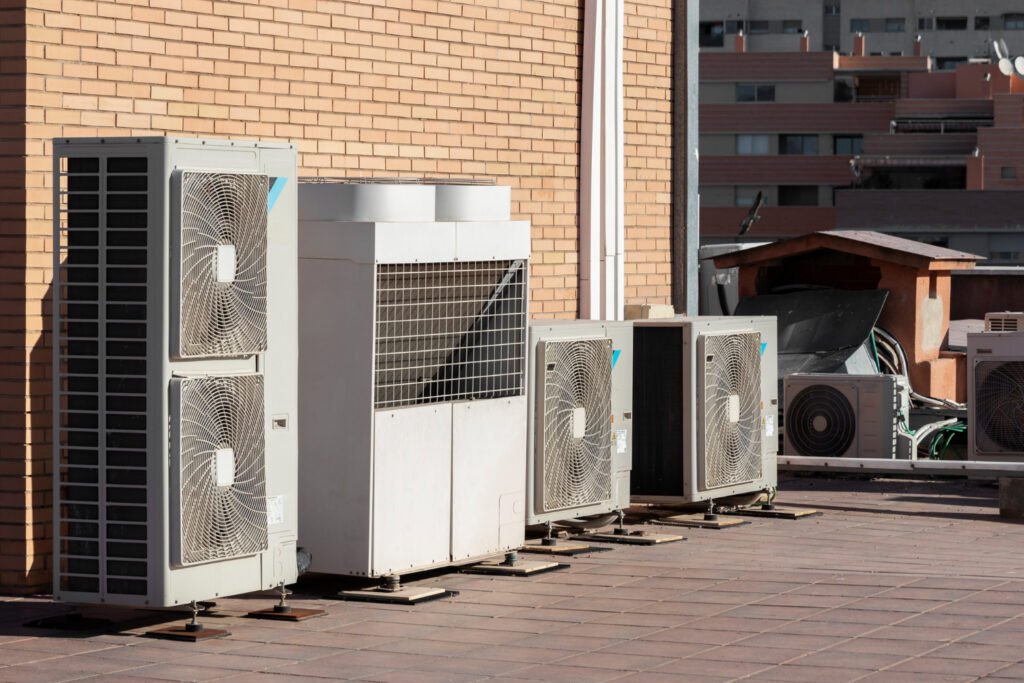
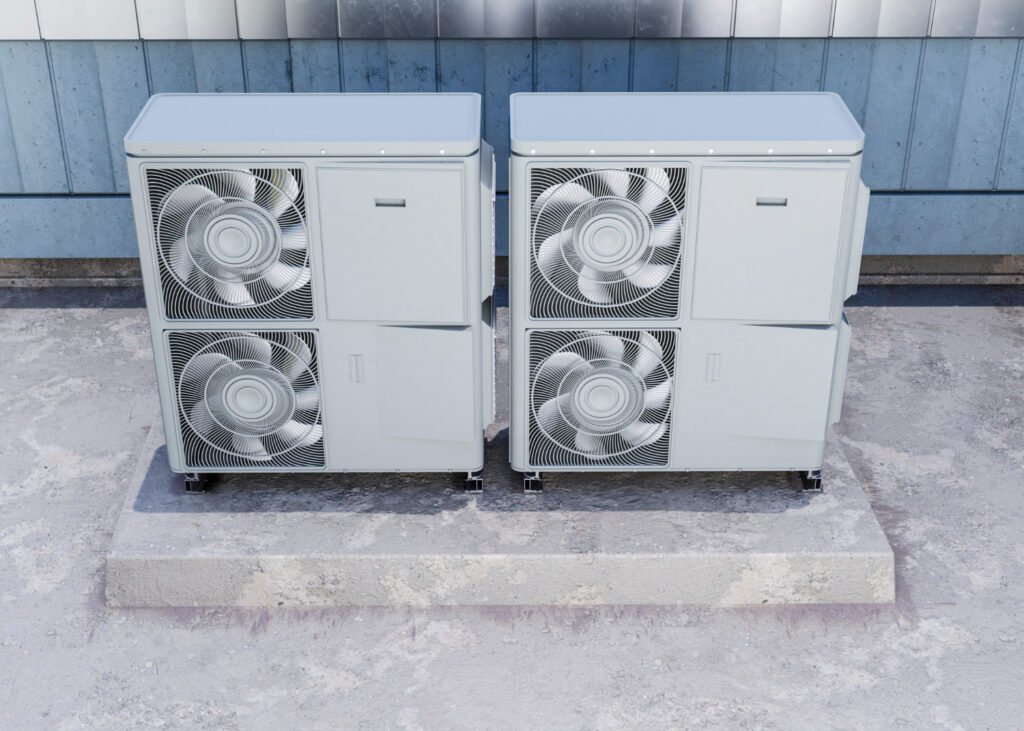
The outdoor unit contains the compressor and condenser coil. The compressor is often considered the heart of the split system air conditioner because it circulates refrigerant between the indoor and outdoor units. The condenser coil releases absorbed heat into the outside air.
Refrigerant lines connect these units and allow heat exchange to occur efficiently. A thermostat controls the entire HVAC split system by signaling when cooling or heating is needed. Modern systems often include programmable or smart thermostats that optimize energy usage and comfort levels.
How Does a Split System AC Work?
A split system air conditioner operates using the principles of heat transfer.
When the thermostat signals the need for cooling, the compressor in the outdoor unit begins circulating refrigerant. Warm indoor air passes over the evaporator coil, where the refrigerant absorbs heat. The cooled air is then pushed back through the ductwork into the home.
The absorbed heat travels through the refrigerant to the outdoor condenser, where it is released into the outside air. This continuous cycle keeps indoor temperatures stable and comfortable.
In a heating configuration using a furnace and AC unit setup, the furnace ignites gas burners to produce heat, which is then distributed throughout the home. In a heat pump split system, the refrigeration cycle reverses, allowing the system to extract heat from outdoor air and transfer it indoors.
What Is a Package Unit in HVAC?
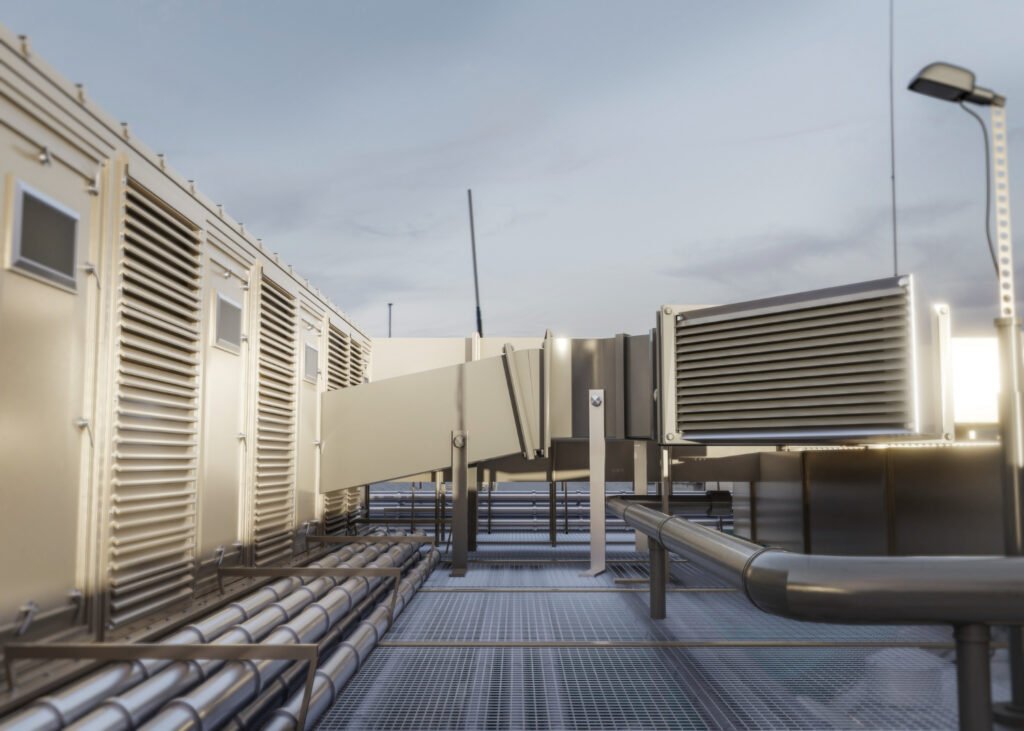
A package unit HVAC system differs from a split system because all components are housed in a single cabinet.
When people refer to a package unit or packaged air conditioner, they are describing a system where the compressor, condenser, evaporator coil, and often the heating element are all contained within one outdoor unit.
Unlike an HVAC split system, which separates indoor and outdoor components, a package unit HVAC system is typically installed on a rooftop or on a concrete slab next to the building. Air is delivered into the structure through ductwork connected directly to the packaged air conditioner.
Package units are particularly popular in commercial buildings, small offices, and homes with limited indoor space. Because everything is contained in one unit, installation can be simpler in certain property types.
Split System vs Package Unit: Key Differences
When comparing an HVAC split system to a package unit HVAC system, the primary difference lies in the physical configuration.
A split system AC separates components between indoor and outdoor locations, while a package unit combines everything in a single cabinet.
In residential homes, the split system AC is often preferred because it tends to operate more quietly indoors and offers greater flexibility in heating configurations. A furnace and AC unit combination within a split system allows homeowners to use gas heating, which can be more efficient in colder climates.
On the other hand, a package unit HVAC system may be ideal for structures with limited indoor mechanical space. Because all components are housed outdoors, indoor installation requirements are minimal. However, maintenance on a packaged air conditioner may require rooftop access in commercial settings, which can increase service complexity.
Energy efficiency can vary depending on the model, but modern split systems HVAC units frequently offer higher SEER ratings, making them attractive for homeowners focused on reducing energy costs.
Furnace and AC Unit vs Split System
Many homeowners assume that a furnace and AC unit setup is different from a split system, but in most cases, a furnace and AC unit configuration is actually a type of HVAC split system. The furnace handles heating, while the outdoor condenser manages cooling.
The key distinction lies in whether the system uses a traditional furnace or a heat pump for heating. A furnace and AC unit system relies on gas or electric heat generation. A heat pump split system uses electricity to transfer heat rather than generate it.
In colder climates, a furnace and AC unit may provide stronger heating performance compared to a heat pump alone. In moderate climates, a heat pump split system can offer efficient year-round comfort.
Types of Split Systems HVAC
There are several variations of split systems HVAC solutions. The most common is the traditional central split system, which uses ductwork to distribute air throughout the home. Another option is the ductless mini-split system, which still qualifies as a split system air conditioner but does not rely on ductwork.
Multi-zone split systems allow different areas of a home to maintain separate temperature settings. This zoning capability improves comfort and energy efficiency by preventing unnecessary heating or cooling in unused rooms.
Heat pump split systems have gained popularity due to their energy-saving capabilities. By reversing the refrigeration cycle, they can provide both cooling and heating without requiring a separate furnace.
Cost of Split System AC vs Package Unit HVAC
Cost is one of the most significant factors when choosing between a split system AC and a package unit HVAC system. Installation costs for an HVAC split system can vary depending on ductwork requirements, system size, and efficiency rating. Homes that already have ductwork in place often experience lower installation costs.
A package unit HVAC system may have similar equipment pricing, but rooftop installation or structural modifications can impact overall expenses. Long-term operating costs depend heavily on system efficiency and maintenance practices.
Split systems HVAC units often provide better efficiency ratings, which can result in lower monthly energy bills over time. However, both systems can offer reliable performance when properly installed and maintained.
Maintenance Requirements
Maintaining a split system air conditioner involves regular filter changes, coil cleaning, and annual inspections. Because the system is divided into indoor and outdoor components, technicians can often access parts more conveniently.
A package unit HVAC system requires similar maintenance but may involve rooftop servicing. Keeping the packaged air conditioner clean and free of debris is essential for efficiency and longevity.
Proper maintenance extends the lifespan of both systems. Most HVAC split system installations last between fifteen and twenty years with routine servicing.
When Should You Choose an HVAC Split System?
An HVAC split system is often ideal for residential homes with available indoor mechanical space. If you prefer higher efficiency ratings, flexible heating options such as a furnace and AC unit combination, and quieter indoor operation, a split system AC is typically the better choice.
Homeowners seeking long-term energy savings and customization frequently benefit from modern split systems HVAC designs, especially when integrated with smart thermostats and zoning controls.
When Should You Choose a Package Unit HVAC System?
A package unit HVAC system is often better suited for commercial properties, small retail spaces, or homes without basement or attic space for indoor equipment. A packaged air conditioner simplifies installation by consolidating components into one cabinet.
For flat-roof buildings or properties where indoor mechanical rooms are not available, a package unit can provide efficient climate control without occupying valuable interior space.
Frequently Asked Questions
Many homeowners still ask what is a split system air conditioner and whether it is better than a package unit HVAC system. The answer largely depends on property type, climate, and budget. A split system AC is generally preferred for residential use, while a package unit HVAC setup is common in commercial applications.
Another common question is whether a furnace and AC unit setup differs from a split system. In most cases, a furnace and AC unit configuration is a type of HVAC split system, combining indoor heating equipment with an outdoor cooling condenser.
People also ask whether split systems last longer than packaged air conditioners. With proper maintenance, both systems offer similar lifespans, though installation quality significantly impacts durability.
Final Thoughts
Choosing between an HVAC split system and a package unit HVAC system requires careful consideration of your space, climate, and efficiency goals. A split system AC offers flexibility, energy efficiency, and strong residential performance. A package unit provides compact convenience and is particularly effective for commercial properties.
Understanding what is a split system air conditioner, how a packaged air conditioner works, and how a furnace and AC unit configuration fits into the broader HVAC split system category empowers you to make a confident, informed decision. Investing in the right system today ensures comfort, energy savings, and reliable performance for years to come.